If you are in an emergency, in crisis or need someone to talk to, there is help.

View Crisis Resources
Skip to content
  • Contact Us
  • No One Left Behind
  • Join our team
  • Referral Form
  • Virtual Urgent Care
  • Accessibility
CAMH logo
  • Education
    • Main Page
    • Student Centre Home
  • Professionals
    • Main Page
    • Treating Conditions & Disorders
      • Adult ADHD
      • Alcohol Use
      • Anxiety Disorders
      • Bipolar Disorder
      • CD and Stimulant Use Disorder
      • Dementia
      • Depression
      • CARIBOU - Treating depression in youth
      • Suicide Risk
      • Fundamentals of Addiction
      • Intellectual & Developmental Disabilities
      • OCD
      • Opioid use and opioid use disorder
      • Perinatal Mood & Anxiety Disorders
      • Personality Disorders
      • Psychosis
      • NAVIGATE - Treating Psychosis in Youth
      • Posttraumatic Stress Disorder
      • Sleep Disorders
      • Smoking Cessation
    • Projects
      • Health Care Access Research and Developmental Disabilities
      • Immigrant and Refugee Mental Health Project
      • Opioid Use in Primary Care Conference 2024
      • Cognitive Adaptation Training
      • Climate Change and Mental Health
    • Networks
      • Psychiatry Partnerships with Northern Communities
    • Clinical Tools
    • Videos
    • Podcasts
      • Quick Takes

        A podcast for physicians, by physicians. Get your clinical education on-the-go.

    • Covid-19 Resources for Health Care Workers
  • Get Involved
    • Main Page
    • Ways to Donate
      • Give Monthly
      • Give In Memory or In Honour
      • Start a Fundraiser
      • Gifts of Securities
      • Leave a Gift in Your Will
      • Gifts of Celebration
      • Employee Giving
      • Donate Goods & Services
      • Canvassers & Callers
      • Make a one-time donation

        With your support, CAMH researchers are revolutionizing the ways we diagnose, treat, and prevent mental illness. Donate today.

    • Join the Cause
      • Corporate Partnerships
      • Business Leaders for Mental Health
      • CAMH Engage
      • womenmind
      • Visionary Society
      • Michael Wilson Society
      • Volunteer at CAMH
    • Making a Real Impact
      • Making a Real Impact

        Thank you for helping CAMH move faster, reach further and do more.

        Read More
    • The Role of the Foundation
  • Driving Change
    • Main Page
    • About CAMH
      • Leadership Team Directory
      • Performance & Accountability
      • The Role of CAMH Foundation
      • For Our Neighbours
      • For Reporters
      • Events Calendar
      • Contact CAMH
      • Careers at CAMH

        By working at CAMH, you can help people affected by mental illness and support their recovery. Join the team. Everyone who works at CAMH becomes an advocate for mental health.

    • The Crisis is Real
      • The Crisis is Real

        We are in the grips of a crisis that ruins health, threatens lives and hurts economies. Knowing the facts is the first step in creating hope.

      • Mental Health Statistics

        The latest facts and statistics on mental illness and addiction, who's affected and their impact on Canadians.

    • Addressing Stigma
      • Addressing Stigma

        Challenging the stigma associated with mental illness takes understanding, education and a closer look at our own attitudes toward health.

        Read More
    • The Mental Health Facility of the Future
      • The Mental Health Facility of the Future

        Turning what was once a walled institution into a symbol of hope for the future of mental health care.

      • Vision & Guiding Principles

        How do you replace an institution with an urban village? Lots of planning, imagination and a long-term commitment to serving patients, staff and the community.

      • History of Queen Street Site

        Our history—evolving from an asylum into a modern health facility with patients at the centre of care—is the history of mental health care in Canada.

    • Influencing Public Policy
      • Influencing Public Policy

        CAMH advocates for policies that are responsive to the needs of people with mental illness and addictions.

        Read More
    • Health Equity
      • Health Equity

        CAMH believes in the principle of equity. We respect the diversity of the individuals and communities we serve.

        Read More
    • Shkaabe Makwa
    • Strategic Plan
    • Contact Us
    • No One Left Behind
    • Join our team
    • Referral Form
    • Virtual Urgent Care
    • Accessibility
H-CARDD Project
Brain Health-IDD Program

CAMH Logo
  • Brain Health IDD Program
Back to top
  • Home
  • Professionals
  • Projects
  • Health Care Access Research and Developmental Disabilities
  • Projects
  • Brain Health-IDD Program
CAMH logo
  • Health Care Access Research and Developmental Disabilities
  • Projects
  • Health Care Resources
  • Knowledge Exchange
  • Blog
Back to top
What is the issue?

Brain Health - IDD logoAdults with intellectual and developmental disabilities (IDD) are living longer than ever before, but they face a significantly higher risk of developing dementia at a younger age. Many also encounter barriers to healthcare, including limited access to appropriate screening, challenges navigating services, physical inactivity, and social isolation. These factors can contribute to poorer brain health outcomes and reduced quality of life as they age.

There is a growing need for accessible, evidence-informed resources that support brain health, promote early dementia screening, and help adults with IDD, their families, and care providers plan for healthy aging. Without targeted supports, opportunities for prevention, early identification, and timely care may be missed.
  

How is H-CARDD helping?

As part of the Brain Health-IDD initiative, H-CARDD is leading a project focused on building capacity across Canada to promote brain health among people with IDD and their families. A second project is also underway evaluating the implementation of a tailored dementia screening tool for this population.

As part of this work, the H-CARDD team is evaluating a virtual education program designed for adults with IDD, family caregivers, and health and social service providers across Canada. The Brain Health-IDD program is a structured online course delivered over six weeks (for families and service providers) or seven weeks (for adults with IDD).

The program focuses on practical strategies to support brain health and healthy aging, including:

  • Approaches to reduce dementia risk and promote overall well-being
  • Tools and resources for managing physical and mental health
  • Guidance on navigating life changes and planning for the future
  • Information about dementia screening and assessment for adults with IDD
  • Opportunities to connect with peers and build supportive networks across Canada

The course is co-designed and delivered by individuals with lived experience alongside clinical and research experts in IDD and mental health. This collaborative approach ensures the program is accessible, relevant, and grounded in real-world needs. The project will evaluate participation, experiences, and outcomes to inform future efforts to support healthy aging for adults with IDD and their families. 
  

Resources
  • Defy Dementia Podcast: No Brain Left Behind  - An episode of the Baycrest Defy Dementia podcast explores the connection between developmental disabilities and dementia. Guests Dewlyn and her mother, Anna Lobo, share their experiences navigating health challenges related to Down syndrome, alongside insights from Yona Lunsky on the importance of awareness and stigma reduction.
      
Blog Posts
  • Forget No One: Dementia and Developmental Disabilities – January 2026
  • Brain Health and Developmental Disabilities: Lessons from the AAIC Conference - August 2025 
  • All Aboard: Setting Sail and Navigating the Brain Health-IDD Journey - April 2024
      
Publications
  • Kevin’s story: My journey with my brother, dementia, and Down Syndrome , published in Healthy Debate.  Colleen Kelly, a teacher in the Brain Health-IDD program, shares her experience caring for her brother Kevin, who had Down syndrome and developed dementia.
  • Evaluating the impact of a national brain health education course for older adults with intellectual and developmental disabilities and caregivers: Brain Health-IDD Program protocol . Y. Lunsky et al., published in BMJ Open, describes the program and plans for evaluation. 
  • Aging well together: Promoting brain health for aging individuals with IDD and their families . S. Phillips et al., published in Journal of Recovery in Mental Health, describes the development of the course for families, based on family advisor input. 
      
About the Brain Health-IDD logo

The Brain Health-IDD logo reflects a positive, inclusive, and accessible understanding of brain health. Its design was shaped through a collaborative process involving people with lived experience, clinicians, and researchers.

During facilitated brainstorming sessions, participants shared ideas and perspectives on what brain health means in everyday life. Judy Noonan, a self-advocate advisor, created a drawing and painting that captured these shared insights in a simple yet powerful way. This artwork became the foundation for the Brain Health-IDD logo.
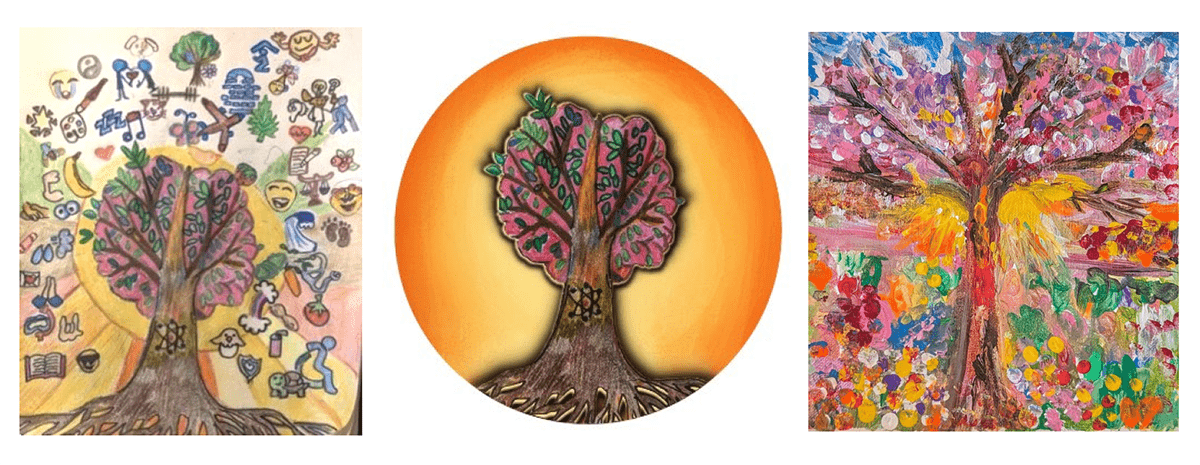
Trees mean a lot to me! I see the brain like a growing tree, always changing and growing. Happy thoughts, good company and doing things that make you smile are like feeding your brain, just as taking care of trees helps them grow tall. Remember, like leaves falling and your brain feeling tired, or when leaves change colour, your brain is changing and healing. Without challenges, there's no progress. For me, brains are like trees always growing. - Judy Noonan, Self-advocate and artist


This H-CARDD research project is funded by the Canadian Institutes of Health Research and the Azrieli Foundation (Operating grant FRN #BH3-191304).

 

In H-CARDD Projects

New! Brain Health-IDD Program

Supporting the Health of Special Olympics Canada Athletes

Supporting ALC Patients With a Dual Diagnosis to Transition From Hospital to Home: Practice Guidance

H-CARDD COVID Program

Health Checks

Atlas on Primary Care

Mental Illness and Addiction Project

Women's Health

Transition-aged Youth

Aging Adults

Emergency Care

Family Health Teams

Health Care Outcomes

The Nuts and Bolts of Health Care

Criminal Justice and Forensic Mental Health Systems

H-CARDD Connects newsletter

Read the January 2026 issue of H-CARDD Connects.

Sign up for H-CARDD Connects to receive updates on research findings, resources and health care tools.

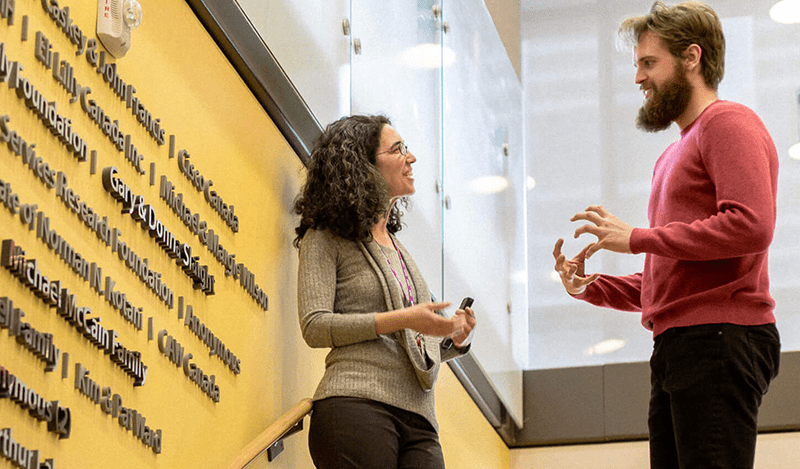
Azrieli Centre - Yona Lunsky talking to a colleague on BGB stairs

Azrieli Adult Neurodevelopmental Centre

The Azrieli Adult Neurodevelopmental Centre is the first research and education centre in Canada dedicated to improving care for adults with neurodevelopmental disabilities and mental health challenges. Learn more.

Can we count on your support?​

Donate to help us improve mental health care for everyone.

Follow us
  • Patient and Family Care
  • Health Info
  • Science and Research
  • Education
  • Professionals
  • Get Involved
  • Driving Change
  • About CAMH
  • Job Openings
  • Purchase Publications
  • Referral Form
  • For Reporters
  • Donor Services
  • Events

CAMH Switchboard

From the GTA: 416 535-8501


Toll-free: 1 800 463-2338

To Access CAMH Clinical Services

416 535-8501, press 2

We have multiple locations. Find directions.

Map of CAMH's Queen Street Site
  • Staff Tools

Copyright 2026 CAMH

  • Terms of Use
  • Accessibility
  • Site Map

Keep in touch with CAMH

Keep your finger on our pulse – latest CAMH news, discoveries and ways to get involved delivered to your inbox.

Please select a newsletter

Please complete the following:

    Required Fields

    Please select a newsletter option

    Please input a first name

    Please input a last name

    Please input an email address

    By clicking Sign Up below, I consent to receive electronic communications (as selected above) from CAMH and CAMH Foundation. To unsubscribe at any time click the link in our mailing or email: unsubscribe@camh.ca

    Please agree to the Terms of Use


    Thanks for Subscribing.

    We look forward to keeping you informed, inspired and involved in all things CAMH.

    Help us change mental health care forever.

    Every donation moves us closer to a future where no one is left behind.

    $
    Other Ways to Give