In a busy hospital, mysterious overhead codes once made little hearts race. Now, with a unique approach at CAMH, the Queen Street Child Care Centre has transformed that initial fear into a joyful game.
What started as a simple coping game — toddlers pretending to call hospital codes — soon developed into a unique relationship between two very different teams: CAMH’s real-life Locating Services and their tiny child care centre counterparts.
Humanizing the Unknown: The Birth of the "Brendas"
When Robin Stevens, an early childhood educator at the Queen Street Child Care Centre — located at CAMH and managed by George Brown Polytechnic — noted that frequent hospital codes unsettled the toddlers, she sought a creative solution.
Robin recalled, “Some children felt fearful, asking, ‘Where’s this voice coming from? Why are these announcements so loud?’ To calm them, I named the voice Brenda, after my great aunt, who sounded similar to one of the announcers.”
Naming the voice “Brenda” helped toddlers humanize the overhead announcements, making them feel more relatable and less mysterious.
“So, whenever the announcement came on, I’d say, ‘That’s Brenda. She has an important message about the hospital today.’ Then we’d all say as a group, 'Thank you, Brenda!'
With this change, toddlers soon began responding enthusiastically, transforming Brenda’s announcements into playful calls to action.
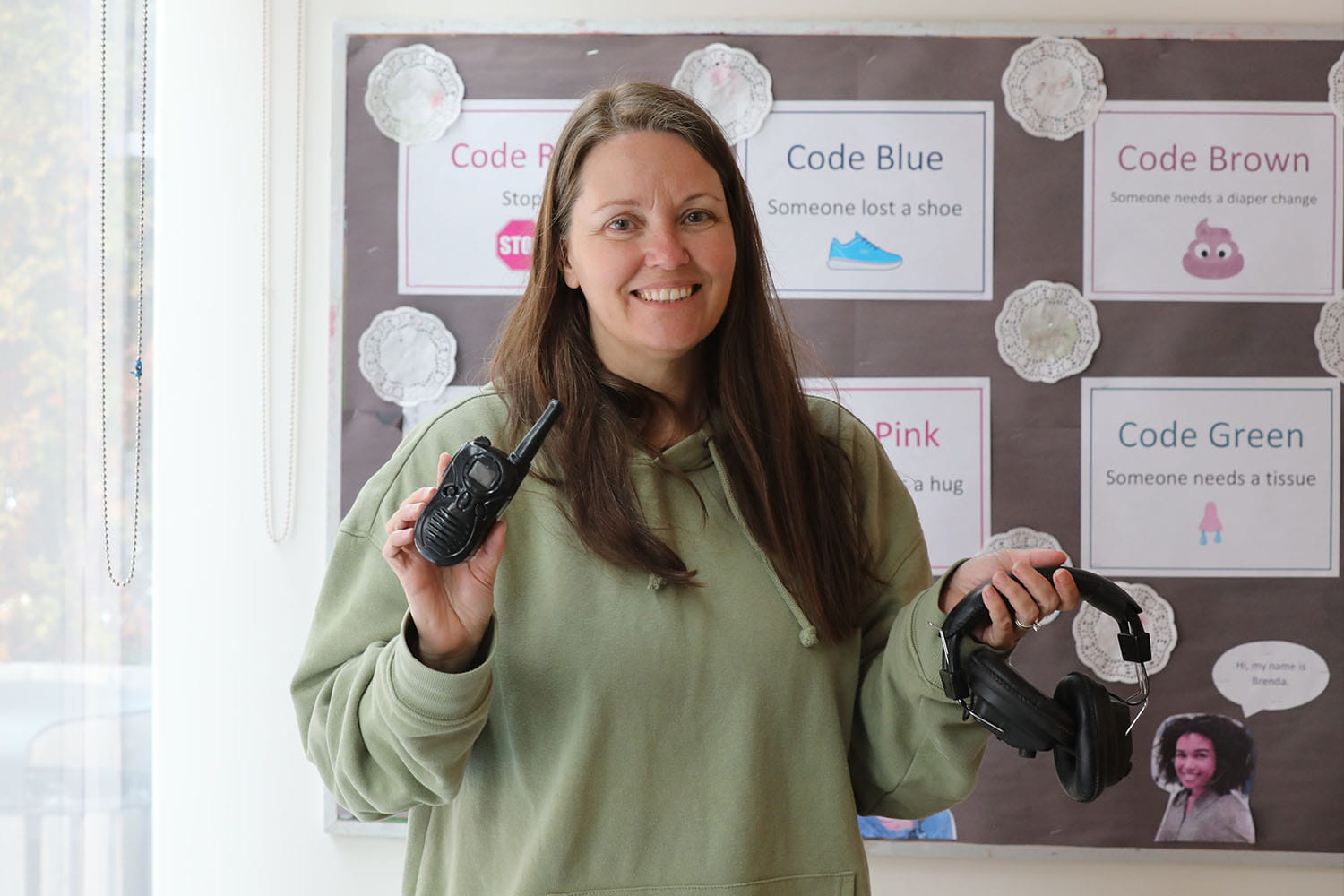
Child Care Centre staff set up a code station. Toddlers could use headsets, phones, and badges to playfully respond to Brenda and act out their own hospital code system.
- Code White (psychiatric emergency) became “It’s snowing!”
- Code Blue (medical emergency) became “Someone lost a shoe.”
- Code Red (fire) became “Stop!”
- Code Green (evacuation) became “Someone needs a tissue.”
- Code Brown (hazardous material) stayed the same...
- Code Pink, a new and popular code, now stands for “Someone needs a hug.”
“It's been going on for a few months now. And they're still not over it, which, for toddler-attention-span, is amazing!” said Robin.
The overhead voices, also known as Locating Services, operate around the clock with code announcements, switchboard triage, and handling incoming calls to CAMH.
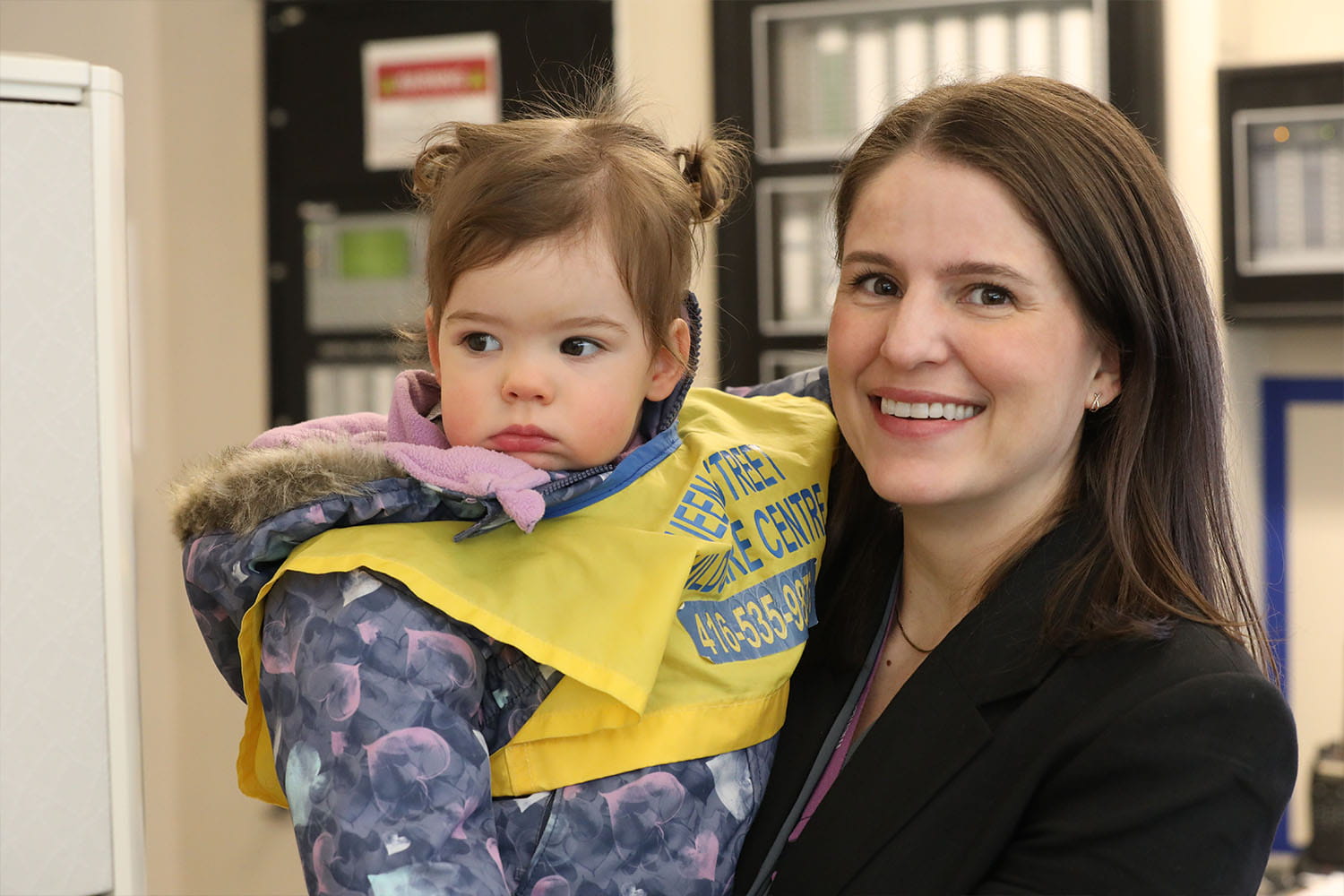
Sara Ling, who oversees the Locating Services team and has a daughter in the child care centre, found out about the activity a few weeks after it began.
Soon after, she shared the story with her colleagues, who seemed delighted to hear the news.
“I think they were so happy to know. And it's a positive connection that you may not even think about. Like the fact that we have this child care centre on site, that they're hearing the overhead codes, paying attention to them, and giving them names. I think it was well-received by the team, and I thought it was neat,” says Sara.
This positive response led Sara and her team, working with child care centre staff, to facilitate a few visits so the toddlers could meet their heroes behind the scenes.
During the first trip, the Locating Services team warmly welcomed the toddlers.
“The locating team wore Brenda nametags and explained their work, making the visit special” Robin shared.
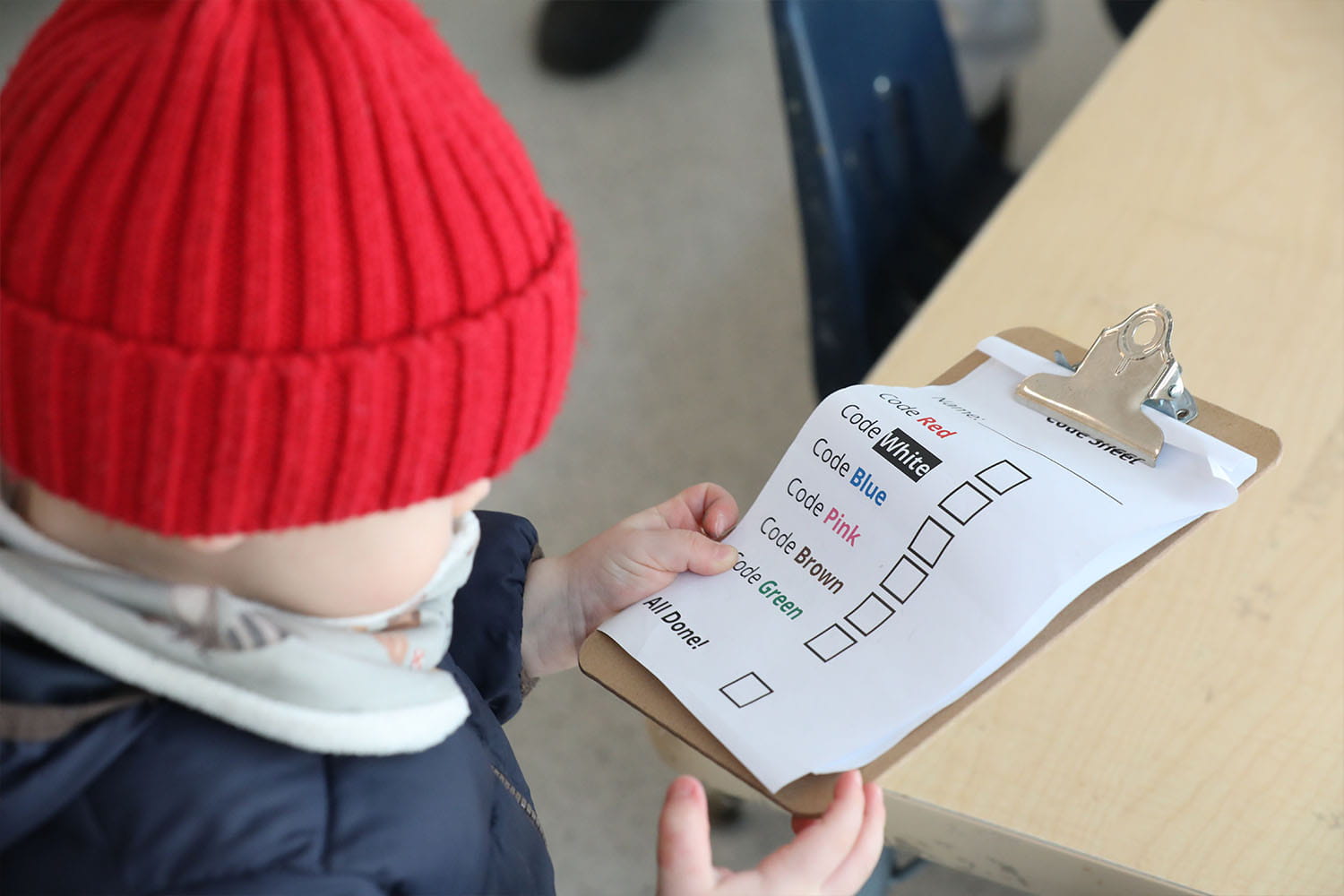
The Locating Services team also gave the toddlers mini-clipboards and a code checklist for future play.
By bridging the gap between announcing staff and children, these visits calmed emotions and introduced the toddlers to CAMH’s vital service in a more personal way.
“So, when these announcements come on, they're not just mysterious, scary voices. We've now given them meaning. These are humans, and this is their job. It's important for us,” she adds.
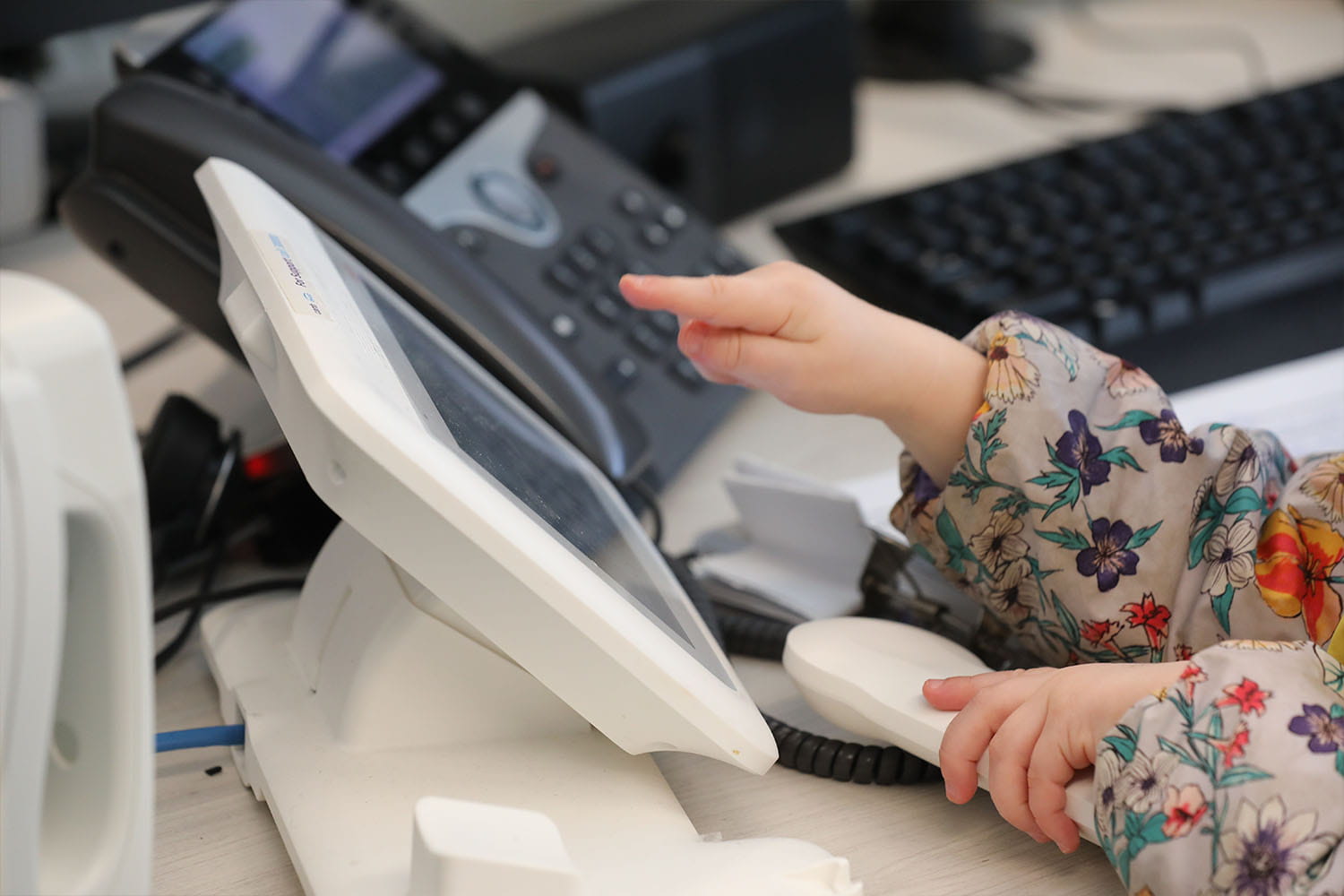
During their second visit, the toddlers got to play with the real code stations while calling out to “Brenda” on the other end of the line.
For the Locating Services staff, the visit provided much levity.
“Yeah, there’s a lot of little people here,” noted Igor Oro, a member of the locating services team.
“You can see the mood in the office brightening. Everyone wants to see what’s happening. It’s a good experience for everyone. It’s so nice to take a break and be around little people,” he added.
Sara has since noticed a positive impact both at the child care centre and at home, especially with her own daughter.
"She seems pretty into it. She talks about the Brendas, and if she hears any overhead announcement anywhere, she calls it Brenda. At home, if I need a hug, I call ‘Code Pink!’ Then she gives me a hug,” Sara shared glowingly.
Bridging the Gap: Connecting the Tiny Locators to Their Parents’ Workplace
Previously, the George Brown child care centre was in a central part of CAMH’s campus, behind the McCain Complex Care and Recovery Building (now the Waverley House Secure Care and Recovery Building site), and had played an active role in the community.
Since moving to the campus’ southwest corner; however, Robin noticed a growing disconnect between the child care centre and the hospital community.
“In this new space, we felt more removed and less connected to CAMH. I thought this project would help us reconnect,” she said.
“We are a workplace child care centre. Most families are CAMH families. These children should know where their parents go. Their world is small and includes their parents,” she added.
“Knowing their parents are nearby helps. They haven’t left — they’re just in that building over there with Brenda.”
And now, whenever Brenda’s voice echoes through the hospital halls, it’s no longer a mystery. It’s a reminder that even the smallest members of the CAMH community are listening, learning, and helping bring a community closer together.