If you are in an emergency, in crisis or need someone to talk to, there is help.

View Crisis Resources
Skip to content
  • Contact Us
  • No One Left Behind
  • Join our team
  • Referral Form
  • Virtual Urgent Care
  • Accessibility
CAMH logo
  • Patients and Families
    • Main Page
    • Access CAMH & Referral Form
      • Access CAMH

        Centralized information, intake and scheduling. Access CAMH makes it easy to find support – simply call 416-535-8501, option 2.

      • Referral Form

        For mental health services, a referral form needs to be completed by a healthcare provider. For addictions services, patient can self-refer.

    • Programs & Services
      • Addictions/Substance Use
      • Alzheimer’s & Dementia
      • Anxiety & Depression
      • Concurrent Disorders
      • Developmental Disabilities
      • Mood & Personality Disorders
      • Problem Gambling
      • Schizophrenia & Psychosis
      • Trauma & Stress Disorders
      • Virtual Mental Health and Outreach
      • Other
    • Information for Patients
      • Patient Wellness and Patient Engagement at CAMH
      • What to expect
      • Your Rights
      • Patient and Family Feedback
      • Visiting CAMH

        Planning on visiting CAMH? Find contact information, directions and accessibility for each of our three main sites.

    • Information for Families
      • Family Resource Centre
      • Patient and Family Feedback
      • Visiting CAMH

        Planning on visiting CAMH? Find contact information, directions and accessibility for each of our three main sites.

    • Patient and Family Feedback
    • Patient and Family Engagement
      • Patient and Family Partners Program
      • Information and resources
      • Get Involved in Research
      • Volunteer at CAMH
    • Visiting CAMH
      • Visiting CAMH

        Planning on visiting CAMH? Find contact information, directions and accessibility for each of our three main sites.

        Read More
  • Health Info
    • Main Page
    • Mental Illness & Addiction Overviews
      • Conditions and Disorders
      • Substance Use
      • Medication Therapies
      • Other Therapies
      • Information in Other Languages
    • Mental Health 101s
      • Mental Health 101

        Use this series of free online tutorials as the starting point to learn about and understand a wide range of mental health topics.

        Read More
    • Guides & Publications
      • Community Resource Sheets

        Community resource listings with information about related services offered outside of CAMH

        Read More
    • Crisis Resources
      • Crisis Resources

        If you are in an emergency, in crisis or need someone to talk to, there is a list of resources available for areas in and around Toronto.

        Read More
    • CAMH Store
      • CAMH Store

        The CAMH Store offers a wide array of mental illness and addiction resources for patients, families, students and professionals. Search or browse our catalogue of brochures and booklets, textbooks, manuals and assessment tools.

        Read More
    • CAMH Library
      • CAMH Library

        Open to professionals and the general public, our comprehensive resources and services support and enhance CAMH's research and clinical programs, and they facilitate learning, dynamic knowledge exchange and health promotion initiatives.

        Read More
    • Workplace Mental Health Playbook
    • Mental Health and the COVID-19 Pandemic
      • Coping with stress & anxiety
      • Quarantine & isolation
      • Stigma and prejudice
      • Loss, grief and healing
      • Covid-19 Resources for Health Care Workers
  • Research
    • Main Page
    • Research to Drive Change
    • The Discovery Fund
      • The Discovery Fund

        Fuelling the next generation of groundbreaking research and innovation dedicated to finding the causes of and cures for mental illness.

        Read More
    • Research Centres
      • Azrieli Adult Neurodevelopmental Centre
      • Azrieli Centre for Neuro-Radiochemistry
      • Brain Health Imaging Centre
      • Centre for Youth Bipolar Disorder
      • Cundill Centre for Child and Youth Depression
      • Institute for Mental Health Policy Research
      • Krembil Centre for Neuroinformatics
      • Slaight Family Centre for Youth in Transition
      • Tanenbaum Centre for Pharmacogenetics
      • Temerty Centre for Therapeutic Brain Intervention
      • The Margaret and Wallace McCain Centre for Child, Youth, and Family Mental Health
    • Clinical Divisions
      • Addictions Division
      • Adult Neurodevelopmental and Geriatric Psychiatry Division
      • Child and Youth Psychiatry Division
      • Forensic Psychiatry Division
      • General and Health Systems Psychiatry Division
      • Psychology Division
      • Schizophrenia Division
    • Find a Study
      • Participate in Research - FAQs

        Answers to frequent questions about joining a CAMH study, including how to sign up, what's involved, and how we protect your rights and confidentiality.

    • Koerner Centre for Research Training
      • Koerner Centre for Research Training

        Each year CAMH provides opportunities to the next generation of scientists: today’s undergraduate students, graduate students and postdoctoral researchers. Train in a unique learning environment and help contribute to the breakthrough mental health research and treatments of tomorrow

        Read More
    • Research Services and Initiatives
      • Brain Health Databank
      • Clinical Trials Unit
      • Digital Innovation Hub
      • Ethical Use of Animals in Research
      • Industry Partnerships and Technology Transfer Office
      • North Star Initiative
      • Research Engagement at CAMH
      • Research Ethics
    • Science & Research Staff Directory
      • Our Scientific Staff
      • Research Chairs at CAMH
    • Subscribe to Brain Buzz
  • Education
    • Main Page
    • Professional Development Courses
    • Courses for Patients, Families & Friends
    • CAMH Global Learning Academy
      • Find the Course That's Right for You

        Browse our entire selection of certificate programs, webinars and workshops.

      • Find the Workshop That’s Right for Your Organization

        View our full list of Workplace Workshops, Programs, and Consulting Services

    • TIDES
    • Student Centre Home
      • Mandatory Requirements and Training
    • Simulation Centre
      • Simulation Centre
      • SIMposium of Minds
    • Research in Education
      • Academic & Education Research Excellence
      • Health Equity and Inclusion Framework for Education and Training
    • Evaluation
    • Collaborative Learning College
    • Workplace Mental Health Workshops and Consulting Services
  • Professionals
    • Main Page
    • Treating Conditions & Disorders
      • Adult ADHD
      • Alcohol Use
      • Anxiety Disorders
      • Bipolar Disorder
      • CD and Stimulant Use Disorder
      • Dementia
      • Depression
      • CARIBOU - Treating depression in youth
      • Suicide Risk
      • Fundamentals of Addiction
      • Intellectual & Developmental Disabilities
      • OCD
      • Opioid use and opioid use disorder
      • Perinatal Mood & Anxiety Disorders
      • Personality Disorders
      • Psychosis
      • NAVIGATE - Treating Psychosis in Youth
      • Posttraumatic Stress Disorder
      • Sleep Disorders
      • Smoking Cessation
    • Projects
      • Climate Change & Mental Health
      • CA-CBT for Black Populations
      • Health Care Access Research and Developmental Disabilities
      • Immigrant and Refugee Mental Health Project
      • Cognitive Adaptation Training
      • Opioid Use in Primary Care Conference 2024
    • Networks
      • Psychiatry Partnerships with Northern Communities
    • Clinical Tools
    • Videos
    • Podcasts
      • Quick Takes

        A podcast for physicians, by physicians. Get your clinical education on-the-go.

    • Covid-19 Resources for Health Care Workers
  • Get Involved
    • Main Page
    • Ways to Donate
      • Make a One-Time Gift
      • Give Monthly
      • In Memory Giving
      • Fundraise Your Way
      • In Honour or Celebration Giving
      • Leave a Gift in Your Will
      • Gifts of Securities
      • See all Ways to Donate
    • Join the Cause
      • Corporate Partnerships
      • Business Leaders for Mental Health
      • CAMH Engage
      • womenmind
      • Visionary Society
      • Michael Wilson Society
      • Volunteer at CAMH
    • Making a Real Impact
      • Making a Real Impact

        Thank you for helping CAMH move faster, reach further and do more.

        Read More
    • The Role of the Foundation
  • Driving Change
    • Main Page
    • About CAMH
      • Leadership Team Directory
      • Performance & Accountability
      • The Role of CAMH Foundation
      • For Our Neighbours
      • For Reporters
      • Events Calendar
      • Contact CAMH
      • Careers at CAMH

        By working at CAMH, you can help people affected by mental illness and support their recovery. Join the team. Everyone who works at CAMH becomes an advocate for mental health.

    • The Crisis is Real
      • The Crisis is Real

        We are in the grips of a crisis that ruins health, threatens lives and hurts economies. Knowing the facts is the first step in creating hope.

      • Mental Health Statistics

        The latest facts and statistics on mental illness and addiction, who's affected and their impact on Canadians.

    • Addressing Stigma
      • Addressing Stigma

        Challenging the stigma associated with mental illness takes understanding, education and a closer look at our own attitudes toward health.

        Read More
    • The Mental Health Facility of the Future
      • The Mental Health Facility of the Future

        Turning what was once a walled institution into a symbol of hope for the future of mental health care.

      • Vision & Guiding Principles

        How do you replace an institution with an urban village? Lots of planning, imagination and a long-term commitment to serving patients, staff and the community.

      • History of Queen Street Site

        Our history—evolving from an asylum into a modern health facility with patients at the centre of care—is the history of mental health care in Canada.

    • Influencing Public Policy
      • Influencing Public Policy

        CAMH advocates for policies that are responsive to the needs of people with mental illness and addictions.

        Read More
    • Health Equity
      • Health Equity

        CAMH believes in the principle of equity. We respect the diversity of the individuals and communities we serve.

        Read More
    • Shkaabe Makwa
    • CAMH News & Stories
    • Strategic Plan
    • Contact Us
    • No One Left Behind
    • Join our team
    • Referral Form
    • Virtual Urgent Care
    • Accessibility
Guides & Publications
When a parent or caregiver has bipolar disorder: How to talk to kids

CAMH Logo
  • When a parent or caregiver has bipolar disorder: How to talk to kids
Back to top
  • Home
  • Health Info
  • Guides & Publications
  • When a parent or caregiver has bipolar disorder: How to talk to kids
CAMH logo
  • Guides & Publications List
  • Mental Illness & Addiction Overviews
  • Mental Health 101s
  • Treating Conditions & Disorders
Back to top

 Kids have a lot of questions when someone in their family is sick. When their parent or caregiver has bipolar disorder, it often becomes a secret that nobody talks about. When children don’t have answers to their questions, they may turn to social media or peers and access information that could be incorrect or scary.

This pamphlet prepares you to talk about bipolar disorder with the child in your life. It lists common questions children have about bipolar disorder, as well as sugges-tions for how you can answer them.

Every family’s beginning conversation about bipolar disorder will be different depending on the child’s age and ability to manage the information. You may want to adjust this information according to your child. You know your child best.
  

Questions about bipolar disorder

Use these notes to help respond to your child’s questions.
  

What is bipolar disorder?
  • Give the child clear facts about bipolar disorder:
    • Bipolar disorder is an illness that affects how a person feels, thinks and acts.
    • When people have bipolar disorder, their brain can go through changes that make them feel, think or act differently than they usually do.
    • Bipolar disorder usually has two different phases: lows called low mood or depression and highs called high mood or mania.
    • Having bipolar disorder is not a weakness. It is a medical illness that someone lives with, just like asthma or diabetes.
    • Bipolar disorder can vary from person to person—it can be something that only affects the person a little bit, or it can be something that causes a lot of challenges for the person.
        
How does bipolar disorder affect my parent or caregiver?
  • Listen to the child’s concerns and provide information about bipolar disorder:
  • Bipolar disorder causes people to act in ways that are different from how they usually act.
  • The person’s moods often come in cycles. The two different phases of depression and mania means that the person’s mood may be different during different periods.
  • You can give the child specific examples of symptoms their parent or caregiver might have, or you can draw from some of these examples:
    • The different phases affect emotions:
      • During a low phase, the person may be sad and cry a lot. They might also feel impatient and irritable. They may get angrier or worry more.
      • When people have high moods, they may feel excited and like they are on top of the world. But they can also feel impatient or out of control.
  • The phases can also affect what the parent or caregiver can or wants to do:
    • In a low mood, they might not want to do things with the family like play, talk or drive places. It may be difficult to do basic things like shower, brush teeth or get dressed.
    • In a high mood, they might feel like they can do anything or want to do many things at once. They may also want to spend more money, say unusual things and dress or act differently.
  • The phases might also affect their energy:
    • During a low mood, they may get tired more easily, talk slower and spend a lot of time in bed.
    • They may have trouble concentrating or thinking during each phase: During a low mood, they may struggle to pay attention and feel their thoughts are moving slowly, while during a high mood their attention might quickly switch from thing to thing.
  • Their attitude and the way they think about life will often change depending on the phase:
    • In a low phase, the person might think badly about life, themselves or other people.
    • In a high phase, the person often thinks very highly of themselves and feels increased confidence and abilities. They will often see the world more opti-mistically, but at times they might be more paranoid or nervous around others as well.
  • If you are the parent or caregiver experiencing bipolar disorder, you can remind the child of how you feel about them even if you are acting differently some days.
  • Reassure the child:
    • The behaviour is not their fault and they do not deserve to be treated badly.
    • Once the phase is over or the parent or caregiver has received treatment, they will often act more like themselves again.
        
What causes bipolar disorder?
  • Explain to the child:
    • Nothing they did caused their parent or caregiver’s bipolar disorder or caused one phase or another.
    • Chemicals in the brain that are off balance cause bipolar disorder. But we don’t know for sure what makes the chemicals go off balance.
    • In some cases, symptoms can appear suddenly for no known reason. In other cases, the symptoms seem to come after a life crisis, stress or illness.
    • Bipolar disorder may also be genetic or inherited.
        
Will my parent or caregiver’s bipolar disorder ever go away?
  • While there is no cure yet, the good news is that bipolar disorder is treatable, and most people with bipolar disorder manage very well with ongoing treatment.
  • Treatment can happen as many times as the person needs.
      
How can my parent or caregiver get better?
  • Many different treatments are available:
    • Medicine helps the chemicals in the brain work so that someone with bipolar disorder may be able to think, feel and behave more like their usual self.
    • Talk therapy gets people with bipolar disorder to talk with a therapist about their experiences and to learn more positive ways to cope, think, feel and behave.
    • Sometimes the therapist will talk to the children and the family too, which can also help the person with bipolar disorder get better.
  • There are also other kinds of treatment. Many people combine different aspects of treatment to find what works best for them.
      
Is there anything I can do to make my parent or caregiver better?
  • Remind the child:
    • Family support is really important for people who have bipolar disorder, but adults are the ones responsible for helping.
    • The child can let their parent or caregiver know that they are there. Even small things like a card or phone conversation can help.
        
How will bipolar disorder affect me and my family?
  • Listen to the child’s concerns. Acknowledge that:
    • It can be very hard living with a parent or caregiver who has bipolar disorder because that person may do or say things that make children feel scared, sad, angry or confused. This is not the child’s fault.
    • Sometimes it can feel like a parent with mood changes thinks mostly about themselves and doesn’t care much about what the child thinks and feels.
  • Remind the child:
    • As the high or low mood improves, the parent or caregiver’s usual moods will often return. They will slowly start acting more like themselves again.
    • The child deserves to feel loved, cared for and respected.
        
Will it happen to me? Can I catch bipolar disorder?
  • Reassure the child:
    • Although bipolar disorder is an illness, they can’t catch it like a cold. Spending time with someone with bipolar disorder will not make a person more likely to get it.
  • Explain to the child:
    • Children who have a family member with bipolar often learn early about the importance of caring for their mental health and asking for help.
    • To stay mentally healthy, they can do things that help lower stress, like talking with friends, playing sports and other favourite activities.
  • Address the child’s specific worries:
    • If they are worried about getting bipolar disorder, talk to them further about their feelings or plan for them to talk to another adult they trust.
    • If the child is worried that they themselves are experiencing really low moods or really high moods, talk to them about their symptoms and make a plan to bring it up to their family doctor or other trusted adult.
        
Will my parent or caregiver die from bipolar disorder?
  • Tell the child:
    • Bipolar disorder or periods of low mood do not cause the body to stop working like a heart attack might.
        
What should I do if I start to feel really upset?
  • Listen to the child’s concerns and tell them:
    • One of the most important things that kids can do to stay healthy and happy is to be open about how they’re feeling. It’s healthy to let parents or other grown-ups in their life know what they’re going through. Their feelings are important.
    • Sometimes children feel better if they make an action plan with their parents before they see mood changes in the parent with bipolar disorder. This helps them make decisions about what to do when they are scared.
    • Action plans can include making a list of “signs” that tell the child the parent is not doing well, writing down questions and worries or having the name and number of an adult the child can call.
    • If they have taken on more responsibility since recent mood changes in their parent or caregiver, they may feel more stressed and upset lately. Playing with friends and keeping up with their favourite activities can help ease these feelings. They can also talk to an adult they trust.
    • If the child feels they have no one to talk to, they can reach out to Kids Help Phone.
        
Questions about self-harm

Once you start a conversation about bipolar disorder, it is difficult to know exactly what children might ask. “Spin-off ” questions (e.g., “Why is my mom in the hospital? When will she come home?”) might be something you are able to manage, but the topics of suicide and self-harm can be harder to handle. Use these notes to help you talk about them with a child.
  

What should I do if my parent or caregiver wants to hurt themselves?
  • Explain to the child:
    • There are times when a parent or caregiver might feel so bad that they say things like, “I want to die.” Often, they don’t actually want to die—they are just overwhelmed—but it can still be scary.
    • Some people with bipolar disorder do try to hurt themselves when they think and feel this way.
    • Suicide is a risk with bipolar disorder, but many peo-ple with bipolar disorder do not have suicidal thoughts.
  • Help the child prepare for this situation:
    • They are not responsible in this situation. Instead, they need to call 9-1-1 or a suicide crisis helpline like 9-8-8, or talk to a trusted adult.
    • Offer to create a safety plan with the child (e.g., phone numbers they can call, an adult to con-tact, what to do in an emergency). You can use the template from Kids Help Phone if you need a starting point.
  • Explain what the child’s parent or caregiver is doing to get help, such as receiving treatment, going to the hospital or taking medication.
      
Who can I talk to?

Canada’s 9-8-8: Suicide Crisis Helpline is available 24 hours a day, seven days a week by calling or texting 9-8-8 anywhere in Canada. Visit 988.ca .
  

Other resources

Kids Help Phone

  • 1 800 668-6868, text 686868 or visit kidshelpphone.ca
  • “My Fill-in-the-Blanks Safety Plan”
  • Visit kidshelpphone.ca and search for the title.

Bipolar Disorder: An Information Guide

This book, written by CAMH Bipolar Clinic staff, offers more in-depth information on bipolar disorder for an adult audience. You can use this guide to inform your own knowledge of bipolar disorder and your discussions with family and other support systems. Learn more.
  

More information about bipolar disorder for children and families
  • Speak to your family doctor.
  • Call the Centre for Addiction and Mental Health at 416 535-8501 (select 2).
  • Visit the CAMH Family Resource Centre. 
             

You may also be interested in

Download the PDF Flat  | Folded  

Purchase a copy from the CAMH Store  

When a parent has bipolar disorder: Answers for kids  

Bipolar Disorder: An Information Guide  

Bipolar Disorder Overview

Bipolar Disorder 101 - free online tutorials  

CAMH Continuing Professional Education courses


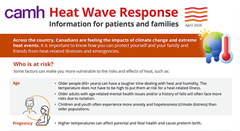
CAMH Heat Wave Response

CAMH Heat Wave Response 2026 short image

Check out the Climate Change and Mental Health Resource page with information in multiple languages for patients and families and for clinicians. 


Where can I find help, treatment and support? 
  • Crisis Resources: If you are in an emergency, in crisis or need someone to talk to, here is a list of resources available for areas in and around Toronto. 
  • To access treatment at CAMH: Access CAMH.
  • Key information for patients, families and visitors: Patient and Family Engagement. 
  • For information about supports available for families, visit Help for families from CAMH. 
  • Family members can contact the Family Resource Centre (FRC) to learn about family specific supports. 
  • Anyone can visit the RBC Patient and Family Learning Space (PFLS) to learn more about mental health and available supports. 
  • 988 Crisis Line - trauma-informed and culturally affirming support to anyone who is thinking of suicide, or who is worried about someone they know.  

Can we count on your support?​

Donate to help us improve mental health care for everyone.

Follow us
  • Patient and Family Care
  • Health Info
  • Science and Research
  • Education
  • Professionals
  • Get Involved
  • Driving Change
  • About CAMH
  • Job Openings
  • Purchase Publications
  • Referral Form
  • For Reporters
  • Donor Services
  • Events

CAMH Switchboard

From the GTA: 416 535-8501


Toll-free: 1 800 463-2338

To Access CAMH Clinical Services

416 535-8501, press 2

We have multiple locations. Find directions.

Map of CAMH's Queen Street Site
  • Staff Tools

Copyright 2026 CAMH

  • Terms of Use
  • Accessibility
  • Site Map

Keep in touch with CAMH

Keep your finger on our pulse – latest CAMH news, discoveries and ways to get involved delivered to your inbox.

Please select a newsletter

Please complete the following:

    Required Fields

    Please select a newsletter option

    Please input a first name

    Please input a last name

    Please input an email address

    By clicking Sign Up below, I consent to receive electronic communications (as selected above) from CAMH and CAMH Foundation. To unsubscribe at any time click the link in our mailing or email: unsubscribe@camh.ca

    Please agree to the Terms of Use


    Thanks for Subscribing.

    We look forward to keeping you informed, inspired and involved in all things CAMH.

    Help us change mental health care forever.

    Every donation moves us closer to a future where no one is left behind.

    $
    Other Ways to Give